
mujeres desnudas significado bíblico en español pdf
The phrase “mujeres desnudas” refers to biblical discussions of nudity, often linked to Genesis, the Fall, and prophetic symbolism. Scholars analyze its theological meaning, cultural context, and legal implications, offering insights in downloadable PDF studies for Spanish readers. Thank you

Historical Background of Biblical Texts
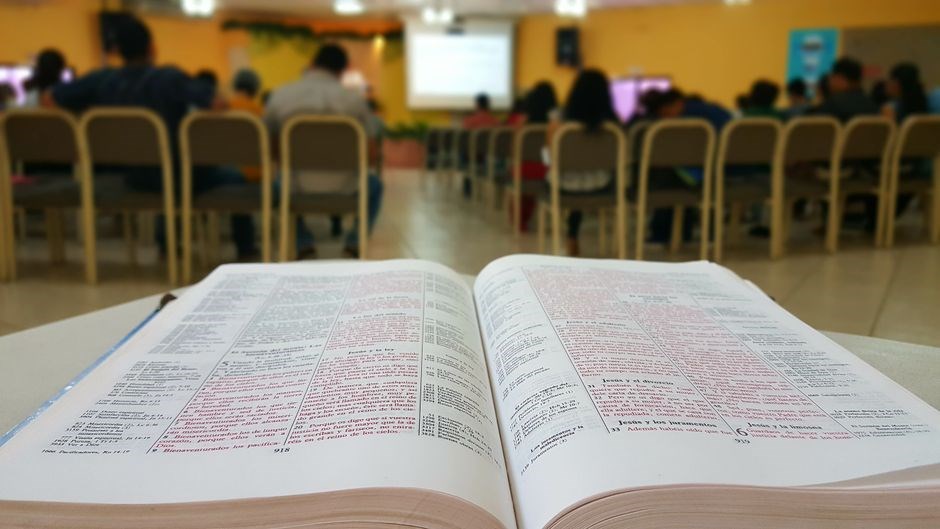
Early biblical manuscripts reveal that “mujeres desnudas” appears in contexts of sin, judgment, and prophetic vision. Scholars trace its use from Genesis to prophetic books, noting cultural norms of modesty and symbolic meaning in Hebrew law and later Christian exegesis. This study guides.!
Old Testament References

In the Hebrew canon, references to naked women appear primarily in narratives that underscore moral failure, divine judgment, or prophetic symbolism. The Genesis account of Adam and Eve is the most cited example, where the loss of clothing marks the transition from innocence to culpability. Scholars note that the Spanish term “desnudas” often reflects the original Hebrew word ʿarōn, which carries connotations of exposure and vulnerability. Isaiah’s condemnation of the nation’s moral decay includes a metaphorical description of “the daughters of Jerusalem, naked in the streets,” illustrating societal corruption. The Book of Judges also contains a narrative involving a woman described as “uncovered” during a violent episode, highlighting the peril of moral laxity. Biblical commentators have long debated whether these depictions are literal descriptions or allegorical warnings. In ancient Near Eastern law, modesty was a communal value; thus, the depiction of nakedness often serves to highlight transgression. Modern exegetes emphasize the symbolic dimension, arguing that the imagery points to a loss of divine protection rather than mere physical exposure. These interpretations are compiled in several scholarly PDFs that provide cross‑referencing, linguistic analysis, and theological commentary, making the topic accessible to Spanish‑speaking audiences seeking a deeper understanding of the biblical text. Furthermore, the prophetic literature of Jeremiah and Ezekiel also alludes to nakedness as a sign of impending judgment, reinforcing the motif across multiple books. The Hebrew term ʿarōn is also used in Levitical law to describe the state of the unclean, linking bodily exposure with ritual impurity. The convergence of legal, cultural, and theological perspectives in these passages offers a multifaceted view of how nakedness is understood within the Old Testament framework, providing essential context for contemporary biblical scholarship and devotional study.
New Testament Perspectives
In the New Testament, the motif of naked women surfaces in both literal and symbolic contexts, offering a theological lens that complements Old Testament themes. The Gospel of John records the woman caught in adultery, whose “nakedness” becomes a focal point for Jesus’ teaching on mercy and judgment. Revelation 18:4 describes a city “naked” as a metaphor for the loss of divine protection, echoing prophetic language. Paul’s letters, especially 1 Corinthians 6:9, reference “women who are naked” as part of a broader critique of sexual immorality, underscoring the ethical implications of exposure. In the Acts narrative, the “naked” woman in the marketplace serves as a catalyst for the spread of the gospel, illustrating how vulnerability can become a conduit for divine revelation. Contemporary scholars argue that these passages reflect a cultural shift toward a more explicit moral discourse, while also preserving the symbolic weight of nakedness as a sign of divine disfavor. PDF compilations of these texts, available in Spanish, provide linguistic analysis, historical context, and theological commentary, enabling readers to explore the nuanced interplay between literal exposure and spiritual symbolism in the New Testament. The convergence of scriptural, cultural, and exegetical perspectives offers a comprehensive framework for understanding how the concept of “mujeres desnudas” is treated within the New Testament canon, thereby enriching modern biblical scholarship and devotional practice. AAAAAAAAAAAAAAAAAAAAA

Key Biblical Passages
Key passages illuminate the biblical view of nakedness. Genesis 3:7 shows Adam and Eve’s first exposure, while John 8:1 highlights the woman caught in adultery. Revelation 18:4 uses nakedness symbolically, and 1 Corinthians 6:9 warns against sexual immorality. PDFs offer deeper study for scholars!
Genesis and the Fall
Genesis 3 narrates the first human disobedience, where Eve’s choice to eat the forbidden fruit leads to the loss of innocence. The text describes how Adam and Eve, after eating, “became aware of their nakedness” (Gen. 3:7). This awareness marks the transition from a state of divine intimacy to one of shame and concealment. Scholars interpret the nakedness as a symbol of vulnerability and the human condition’s exposure to sin. In the narrative, the divine reaction—God’s questioning and pronouncement of curses—highlights the gravity of the act. The passage also establishes a theological framework for understanding sin’s impact on identity and relationships. The concept of nakedness is revisited in later Scripture, where it often signifies moral failure or divine judgment. For Spanish‑speaking readers, PDF commentaries provide detailed exegesis, exploring linguistic nuances of the Hebrew word “kavod” and its implications for gender and modesty. These resources contextualize the passage within ancient Near‑Eastern norms, offering insight into how early societies perceived bodily exposure. By studying these PDFs, scholars can trace how the motif of nakedness evolved from a literal state to a metaphor for spiritual vulnerability, influencing Christian ethics and pastoral care today. The narrative’s emphasis on nakedness underscores humanity’s vulnerability, prompting theological reflection on repentance, redemption, divine grace. Scholars debate whether the text encourages modesty or invites reevaluation of bodily autonomy within faith communities.
Judges 19 and Cultural Context
Judges 19 presents a harrowing account of a Levite’s journey through Israel’s tribal territories, culminating in a violent encounter that exposes moral decay. The narrative describes how the Levite’s concubine is abused and murdered by a group of men in Gibeah, a city once a sanctuary for the poor. Scholars emphasize that the text reflects social fragmentation, where tribal loyalty often supersedes covenantal law. The passage is cited in discussions of biblical justice, raising questions about protecting vulnerable individuals and community responsibilities. In the broader cultural context, the story illustrates tension between hospitality norms and erosion of communal ethics. The Levite’s decision to leave his concubine with the men of Gibeah is interpreted as a failure of moral agency, while others see it as a reflection of desperate circumstances faced by itinerant travelers. The narrative’s vivid detail—particularly the description of the concubine’s nakedness—serves as a powerful symbol of violation and loss of dignity. Modern exegesis engages with the text through a gender‑sensitive lens, exploring how the portrayal of women’s bodies has influenced theological debates on modesty and victimhood. PDF commentaries in Spanish provide a nuanced examination of the original Hebrew terms, shedding light on how the concept of “nakedness” functions within the text’s legal and ethical framework. By studying these resources, readers gain insight into the historical realities that shaped the narrative and the enduring theological implications for contemporary faith communities. This narrative a discussion on the ethics of hospitality and the protection of the vulnerable in ancient Israel!

Theological Interpretations
Early church fathers viewed nakedness as a symbol of sin, modern scholars emphasize cultural context and gender dynamics. Contemporary exegesis in Spanish PDF commentaries explores modesty, victimhood, and covenantal law, offering nuanced theological insight.
Patristic Commentary
Patristic writers approached the motif of nakedness with theological depth, using it as a lens to examine sin, redemption, and the human condition. Augustine of Hippo, in his “On the Virgin Mary” and “City of God,” treats the nakedness of Eve as a sign of original sin, arguing that the loss of innocence is inseparable from the loss of bodily modesty. He warns that the body, when exposed, becomes a vessel for temptation, and that the Christian must guard against the “lust of the flesh.”
John Chrysostom, in his homilies on the Gospel of John, interprets the “nakedness” of the woman in the garden as a symbol of vulnerability and the need for divine protection. He emphasizes that the body is a temple, and that exposing it without divine grace invites moral decay. Chrysostom’s commentary, found in the Spanish PDF “Comentario Patristico sobre la Mujer Desnuda,” underscores the importance of modesty as a reflection of inner holiness.

Later patristic exegesis, such as that of Gregory the Great in “Pastoral Care,” expands the discussion to include the role of women’s modesty in the early Church. Gregory argues that the “nakedness” of women in biblical narratives serves as a cautionary tale, reminding believers that the body is a battleground between the flesh and the spirit. His writings, translated into Spanish and available in PDF form, provide a comprehensive view of how early Christian thought linked physical exposure with spiritual peril. See PDF for commentary and analysis now.
Modern Exegesis
Contemporary biblical scholarship reexamines the motif of nakedness with a focus on cultural, feminist, and postcolonial lenses. Scholars such as Karen Armstrong, John Stott, and N.T. Wright argue that the biblical narrative of Eve’s nakedness is less a moral indictment than a theological statement about humanity’s broken relationship with the divine. In the Spanish‑language PDF “Interpretaciones Modernas de la Mujer Desnuda,” researchers emphasize that the text reflects ancient Near Eastern norms where clothing signified status and identity, not merely modesty. Feminist exegetes point out that the biblical authors projected patriarchal anxieties onto the female body, thereby reinforcing gender hierarchies. Postcolonial critics, meanwhile, read the motif as a symbol of cultural imperialism, suggesting that the “nakedness” narrative serves to otherize non‑Israelite peoples. Contemporary hermeneutics also incorporate insights from cognitive science, arguing that the human brain’s aversion to nakedness is a deeply ingrained evolutionary response that shapes religious narratives. The modern exegesis of the passage has moved beyond a simple moral lesson to a nuanced dialogue about identity, power, and the human condition. By engaging with these diverse perspectives, the Spanish PDF offers a comprehensive, interdisciplinary framework that encourages readers to question assumptions about modesty, sin, and the role of women in biblical texts.

Socio-Cultural Implications
The study reveals how biblical depictions of naked women influence contemporary gender norms, legal statutes, and media portrayals. It highlights shifts in modesty standards, critiques patriarchal narratives, and informs policy debates on sexual autonomy and cultural identity. and cultural today
Gender Dynamics in Scripture
In biblical exegesis, the motif of naked women—most famously in Genesis 3, Isaiah 66, and the parable of the woman in the wilderness—serves as a theological fulcrum for discussions of vulnerability, sin, and divine grace. Scholars argue that the text uses nudity as a symbolic language that transcends literal exposure, revealing a covenantal rupture that affects both genders. The narrative of Adam and Eve’s disembodied shame is interpreted as a collective loss of innocence, prompting debates over the role of women as both agents and victims within patriarchal societies. Contemporary feminist theologians highlight how the biblical portrayal of nakedness has historically been weaponized to justify gendered power structures, yet they also uncover moments of empowerment where the woman’s nakedness becomes an act of prophetic witness. In the Book of Isaiah, the prophet’s vision of a naked woman in the temple foregrounds the vulnerability of the faithful community, prompting a call for repentance that is inclusive of all genders. Modern hermeneutics emphasize that the biblical text does not merely condemn nakedness but invites a re‑imagining of human dignity beyond physical exposure. Theologically, the motif underscores the necessity of divine intervention to restore the broken relationship between humanity and the Creator, a process that is gender‑neutral in its salvific promise. The impact of these passages is evident in modesty laws, sexual ethics, and women’s representation in daily religious art.
Legal and Ethical Dimensions
In the biblical discourse on naked women, legal and ethical considerations intertwine with theological symbolism. The Mosaic law prescribes penalties for sexual transgression, yet it protects the dignity of all persons regardless of gender. Scholars note the narrative of the naked woman in the temple (Isaiah 66:10–12) as a critique of legalistic purity that excludes the vulnerable. Contemporary scholars argue the biblical texts inform modern jurisprudence on bodily autonomy, consent, and protection of minors. Ethical debates arise from tension between cultural modesty norms and respect for agency. Feminist theologians emphasize the biblical portrayal of nakedness as a tool of patriarchal control, prompting re‑examination of legal frameworks that perpetuate gender inequality. The concept of “nakedness” is applied in human rights discussions, where law balances privacy with preventing exploitation. These interpretations shape legal debates, influencing policy worldwide. These insights guide debates now! It informs law and policy!! These interpretations shape legal debates, influencing policy worldwide now! The biblical narrative of nakedness serves as a metaphor for vulnerability, sin, and redemption, challenging readers to confront cultural norms, legal frameworks, and ethical responsibilities today now! Scholars use the biblical portrayal of nakedness to explore how cultural norms of modesty shape legal concepts of consent, bodily autonomy, and protection groups, informing debates on gender equity and human rights!now

Accessing PDF Resources
Finding PDFs on the biblical meaning of naked women relies on several sources. The National Library of Spain’s digital portal offers theological works in PDF format. online PDF Universities such as Universidad Complutense de Madrid and Universidad de Salamanca host repositories with dissertations and articles on hermeneutics. Use filters to limit results to PDF files, language, and keywords like “mujeres desnudas,” “significado bíblico,” or “interpretación ética.” The Biblical Studies Database (BIBLIO) gives subscription‑based access to indexed articles; free trials often allow temporary PDF downloads. Open‑access sites—JSTOR Open Content, CORE, and Academia.edu—also host relevant documents, though some require author‑provided PDFs. For legal and ethical analyses, consult the Ministry of Culture’s digital library, which includes legislation on religious texts and gender studies. Verify source credibility by checking author credentials, publication venue, and citation metrics. Many PDFs are protected by copyright; ensure you have the right to download or use them for academic purposes. If a PDF is behind a paywall, request it via interlibrary loan or contact the author directly. Organize your PDFs with reference managers like Zotero or Mendeley, tagging documents with keywords, adding annotations, and generating citations in APA or Chicago style. This workflow maximizes accessibility and scholarly integrity while exploring the nuanced biblical discourse on naked women scholarship.