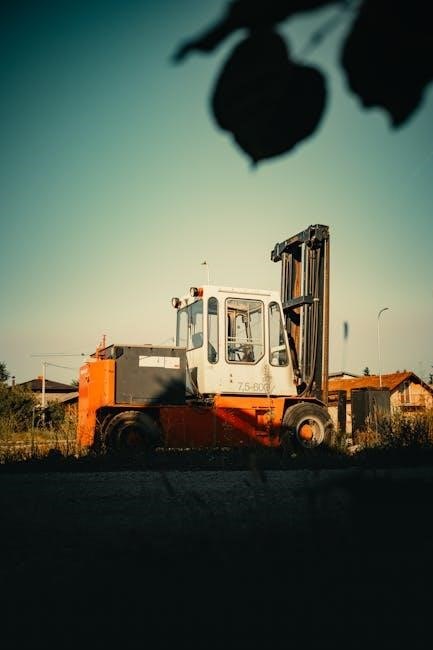
forklift theory test pdf australia
Forklift Theory Test PDF Australia: A Comprehensive Guide
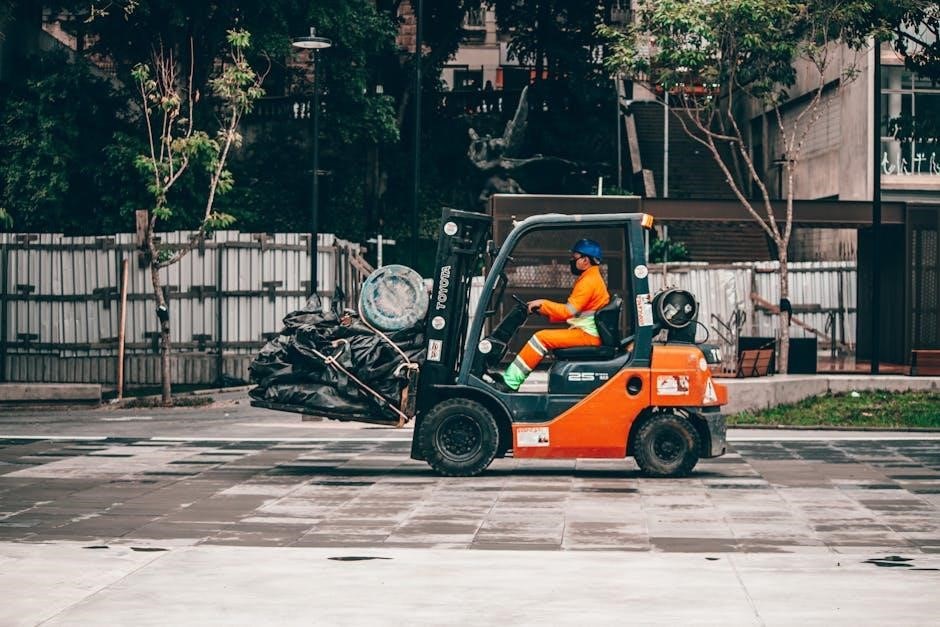
Navigating the Australian forklift licensing process requires thorough preparation. Accessing reliable PDF resources is crucial for success, covering essential safety regulations and operational knowledge.
Understanding the Australian Forklift Licensing System
Australia’s forklift licensing is governed by a nationally recognised framework, ensuring consistent safety standards across all states and territories. Obtaining a forklift licence isn’t simply about operating the machinery; it’s about demonstrating a comprehensive understanding of workplace health and safety (WHS) regulations, operational procedures, and hazard identification. The system categorises forklifts based on their class – typically LF for forklifts, and other classes for specific types of high-risk equipment.
Licensing is managed through state-based Work Health and Safety authorities, but the core competencies assessed are aligned nationally. This means a licence obtained in one state is generally recognised in others, promoting workforce mobility. Crucially, the process involves both theoretical knowledge assessment and practical skills evaluation. The theory test assesses your understanding of safe operating procedures, load limits, and potential hazards, while the practical assessment verifies your ability to operate a forklift safely and efficiently in a real-world environment.
Individuals seeking a forklift licence must meet specific eligibility criteria, including age requirements and a demonstrated level of competency.
LF Forklift Licence – The Core Requirement
The LF forklift licence is the foundational requirement for anyone intending to operate a forklift in Australia. This licence specifically covers forklifts with a capacity of up to 10 tonnes, encompassing the vast majority of forklifts used in warehousing, logistics, and construction industries. Successfully obtaining this licence demonstrates a fundamental understanding of forklift operation, safety protocols, and relevant legislation.

Prior to undertaking the LF licence assessment, candidates must complete a recognised training course delivered by a Registered Training Organisation (RTO). These courses combine theoretical instruction with hands-on practical training, ensuring a well-rounded learning experience. The theory component focuses on crucial aspects like load stability, hazard identification, and WHS regulations.
Passing the LF theory test is a prerequisite for progressing to the practical assessment. The practical assessment evaluates the candidate’s ability to safely operate a forklift, perform pre-operational checks, and manoeuvre in a controlled environment. Holding an LF licence is legally mandated for forklift operators in most Australian workplaces.
High Risk Work (HRW) Licence Class
Forklift operation falls under the umbrella of High Risk Work (HRW) in Australia, necessitating a specific HRW licence class – the LF licence, as previously discussed. This classification acknowledges the inherent risks associated with operating powered mobile equipment like forklifts, demanding a higher standard of training and competency.
The HRW licensing system is nationally recognised, ensuring consistency in standards across all Australian states and territories. Obtaining an HRW licence requires successful completion of both theoretical and practical assessments, validated by a Registered Training Organisation (RTO). These assessments are designed to verify the operator’s ability to identify hazards, mitigate risks, and operate the forklift safely and efficiently.
The HRW framework emphasizes ongoing competency and requires licence holders to adhere to strict safety protocols. Regular refresher training and assessments are often recommended to maintain proficiency. Failure to hold a valid HRW licence when operating a forklift can result in significant penalties for both the operator and the employer.
Recognised Training Organisations (RTOs) in Australia
Successfully navigating the forklift licensing process hinges on selecting a Registered Training Organisation (RTO) approved to deliver High Risk Work (HRW) training. These RTOs are nationally accredited and audited by the Australian Skills Quality Authority (ASQA) to ensure they meet stringent quality standards.
A comprehensive list of approved RTOs can be found on the ASQA website, allowing prospective students to verify their credentials. When choosing an RTO, consider factors like course availability, location, training methodology (online, classroom, or blended), and overall cost. Reputable RTOs will provide access to quality training materials, including forklift theory test PDFs and practice assessments.
Ensure the RTO offers a complete training package encompassing both theory and practical components, culminating in a nationally recognised HRW licence. Beware of providers offering suspiciously low prices, as this may indicate compromised training quality. Thorough research and due diligence are crucial to ensure a valuable and legally compliant training experience.
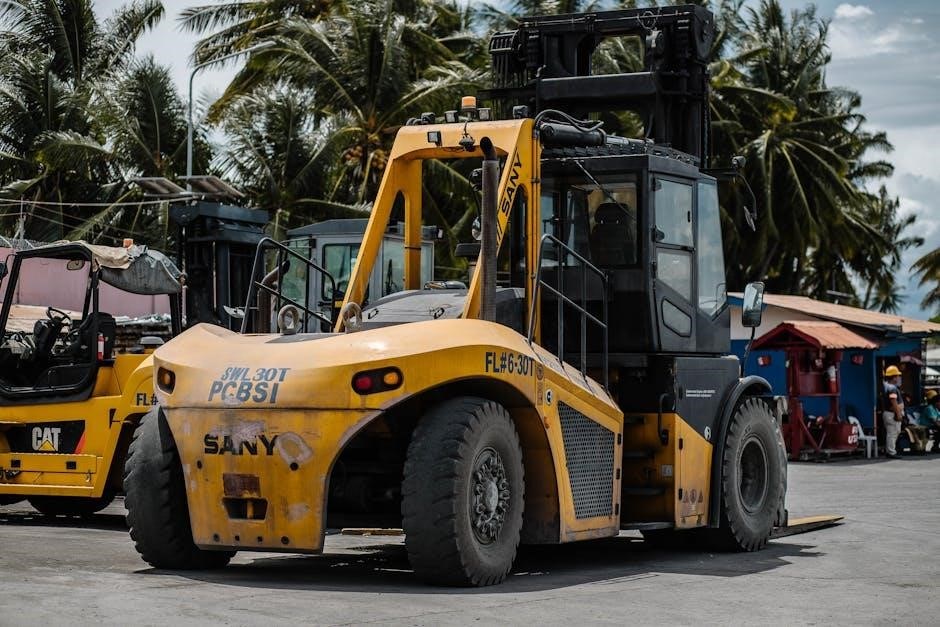
Preparing for the Forklift Theory Test
Effective preparation involves studying official PDFs, understanding WHS regulations, and mastering load charts. Practice tests are vital for familiarizing yourself with the exam format.
Accessing Official Forklift Theory Test PDFs
Locating legitimate and up-to-date Forklift Theory Test PDFs in Australia is a critical first step in your licensing journey. While numerous websites offer practice materials, ensuring the PDF aligns with current Work Health and Safety (WHS) regulations is paramount.
Several Registered Training Organisations (RTOs) provide sample theory tests or study guides in PDF format on their websites. These are often available for free download or as part of a paid training package. Always verify the RTO is nationally recognised to guarantee the material’s validity.
State and Territory Work Safety authorities may also offer resources or links to approved training providers. Be cautious of unofficial sources, as outdated information could lead to failing the exam. Prioritize PDFs directly from RTOs or government websites. Remember to check for the latest revision date on any PDF you download to ensure its accuracy and relevance to the current Australian standards.
Key Topics Covered in the Theory Test
The Australian Forklift Theory Test comprehensively assesses your understanding of safe operating procedures and WHS regulations. Expect questions covering a broad range of topics, including forklift stability principles, load capacity calculations, and hazard identification.
A significant portion focuses on understanding the specific requirements outlined in the relevant Australian Standards. You’ll be tested on pre-operational checks, proper lifting techniques, and emergency procedures. Knowledge of site-specific rules and regulations is also crucial.
Furthermore, the test evaluates your comprehension of load charts, the impact of load weight on stability, and the correct use of personal protective equipment (PPE). Understanding pedestrian safety, communication protocols, and battery maintenance are also key areas. Thorough preparation using official study materials is essential to confidently tackle all aspects of the theory assessment.
Understanding the WHS Regulations
Work Health and Safety (WHS) regulations are paramount in Australian forklift operation, forming a core component of the theory test. A deep understanding of these laws is not merely for passing the exam, but for ensuring a safe working environment for yourself and others.
The test will assess your knowledge of the WHS Act and associated codes of practice relating to forklift operation. This includes hazard identification, risk assessment, and control measures. You must demonstrate awareness of your duties as a forklift operator, including reporting unsafe conditions and following established safety protocols.
Expect questions on topics like maintaining a safe distance from pedestrians, proper use of warning devices, and emergency shutdown procedures. Familiarity with relevant legislation and the employer’s safety management system is vital for success and safe practice.
Load Charts and Stability Principles
A critical aspect of the forklift theory test focuses on load charts and the principles governing forklift stability. Understanding these concepts is essential for preventing accidents and ensuring safe lifting operations.
Load charts detail the maximum load capacity of a forklift at various lift heights and load centers. The test will assess your ability to interpret these charts accurately, considering factors like load weight, lift height, and load distribution. You’ll need to calculate safe load limits for different scenarios.
Stability principles, including the center of gravity and the stability triangle, are also key. Questions will explore how load placement affects stability and the consequences of exceeding the forklift’s capacity. Mastering these principles is vital for preventing tip-overs and maintaining control during operation.
Forklift Maintenance and Pre-Operational Checks
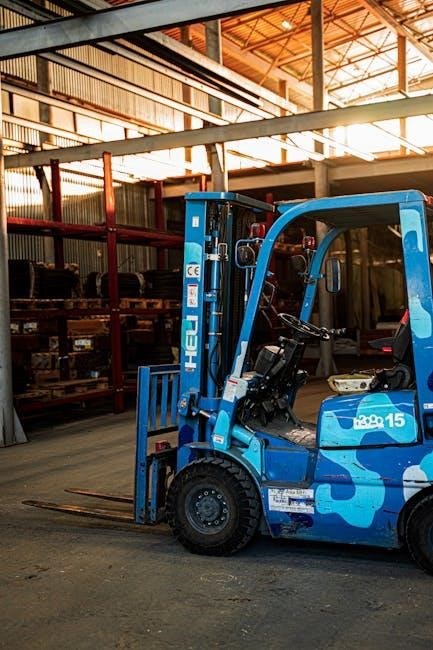
The forklift theory test significantly emphasizes the importance of regular maintenance and thorough pre-operational checks. Demonstrating knowledge in this area showcases a commitment to safety and responsible forklift operation.
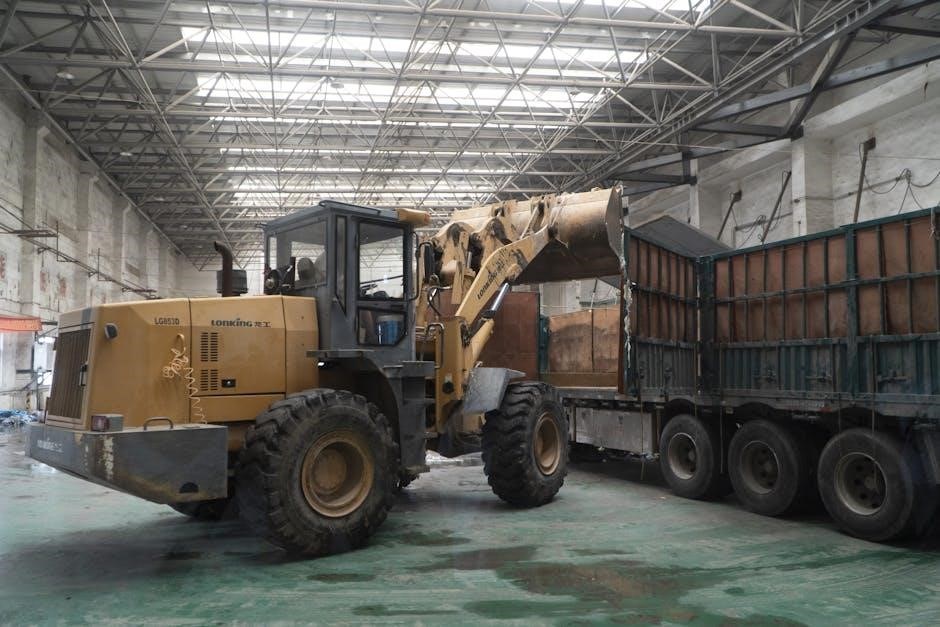
You’ll be tested on identifying essential maintenance tasks, including fluid level checks (oil, coolant, hydraulic fluid), tyre inspections, and examination of safety devices like brakes, lights, and horns. Understanding the maintenance schedule outlined in the forklift’s manual is crucial.
Pre-operational checks are equally vital. The test will cover the steps to ensure the forklift is safe to operate before each shift. This includes inspecting the mast, forks, chains, and seatbelt, as well as testing the steering and braking systems. Recognizing potential defects and reporting them is a key component.
Taking the Forklift Theory Test
Successfully completing the theory assessment is a vital step towards obtaining your forklift licence. Preparation and understanding the test format are key to achieving a positive result.
Test Format and Duration
The forklift theory test in Australia typically adopts a multiple-choice question format, designed to assess your comprehension of crucial safety protocols and operational principles. Candidates can generally expect around 30-50 questions, though this number can vary slightly depending on the specific state or territory and the class of forklift licence being pursued.
The duration allotted for completing the test is usually between 60 to 90 minutes. This timeframe provides sufficient opportunity to carefully read each question and select the most appropriate answer. However, effective time management is still recommended to ensure all questions are addressed within the given period.
Tests are often administered via computer, offering a user-friendly interface. Some RTOs may still offer paper-based tests, but computer-based testing is becoming increasingly prevalent. Familiarize yourself with the testing environment beforehand to minimize any potential anxiety on test day. Understanding the question structure and practicing with sample tests are invaluable preparation strategies.
Passing Score and Re-test Procedures
Achieving a passing score on the forklift theory test is a critical step towards obtaining your licence. Generally, a score of at least 80% is required to pass, although this percentage can differ slightly between states and territories within Australia. It’s vital to confirm the specific passing threshold with your Registered Training Organisation (RTO).

If you unfortunately do not achieve the required passing score on your initial attempt, re-test opportunities are readily available. However, a waiting period may be enforced before you can re-sit the test, typically ranging from 24 hours to a few days.
A re-test fee will usually apply. RTOs often provide additional support and resources for candidates needing to re-test, including targeted revision materials and practice questions. Don’t hesitate to utilize these resources to address any knowledge gaps identified in your first attempt. Thorough preparation and a focused approach significantly increase your chances of success on the re-test.
Common Mistakes to Avoid
Many candidates stumble on the forklift theory test due to preventable errors. A frequent mistake is rushing through questions without carefully reading them – comprehension is key! Misinterpreting load chart information and stability principles is another common pitfall; practice applying these concepts diligently.
Insufficient understanding of Workplace Health and Safety (WHS) regulations is a significant issue. Candidates often underestimate the importance of pre-operational checks and proper maintenance procedures. Failing to recognize hazard identification and risk assessment protocols also leads to errors.
Poor time management can also cause problems. Allocate sufficient time to each question and avoid spending too long on any single item. Review your answers before submitting the test. Finally, don’t rely solely on memorization; strive for a genuine understanding of the underlying principles to avoid falling into common traps.
After Passing the Theory Test
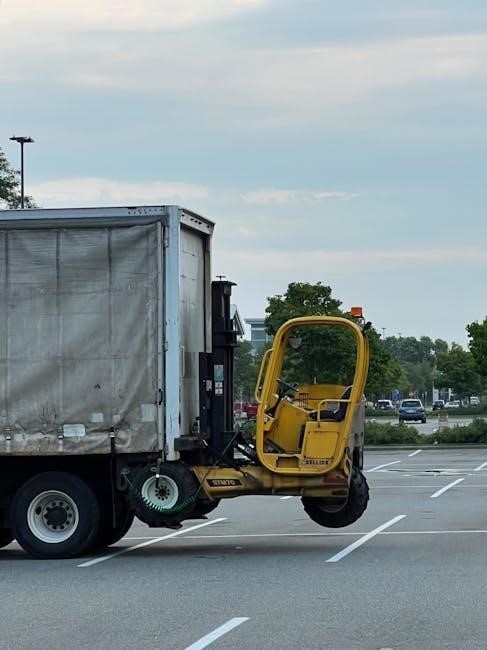
Successful completion unlocks the practical assessment phase. This hands-on evaluation verifies your ability to safely operate a forklift in a real-world environment.
Practical Assessment Requirements
The practical assessment is a critical component of obtaining your forklift licence in Australia; Following successful completion of the theory test, candidates must demonstrate competency in operating a forklift safely and efficiently. This assessment typically takes place in a controlled environment, simulating a real-world workplace.
Assessors will evaluate your ability to perform a range of tasks, including pre-operational checks, safe lifting and lowering of loads, maneuvering in confined spaces, and adhering to all relevant safety procedures. You’ll be expected to demonstrate a thorough understanding of load charts, stability principles, and hazard identification.
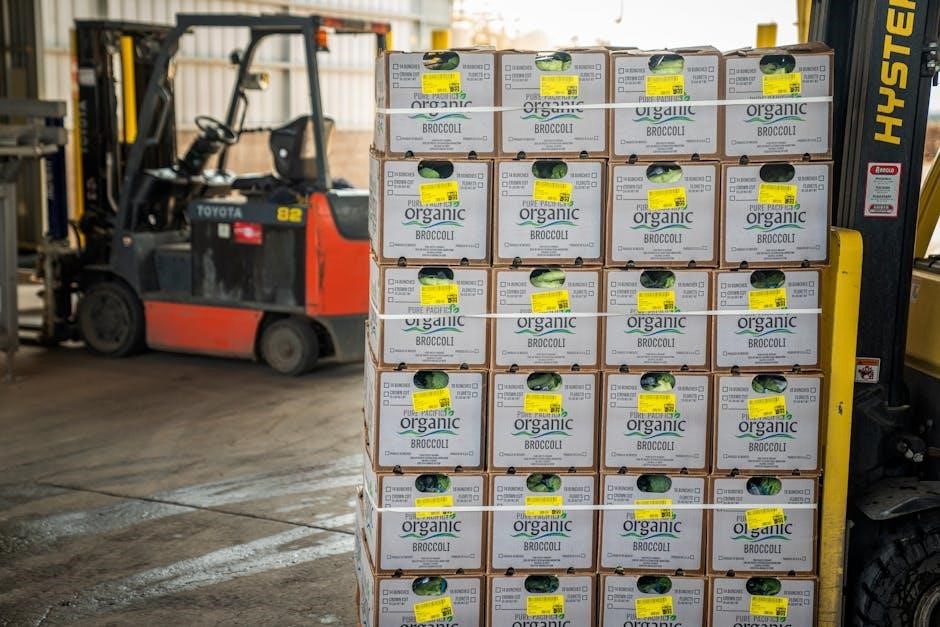
Candidates must use the correct lifting techniques and demonstrate awareness of pedestrian traffic. The assessment will also cover emergency procedures, such as responding to a forklift malfunction or an unstable load. A logbook documenting practical hours may also be required, depending on the specific RTO and licence class. Proper Personal Protective Equipment (PPE) is mandatory throughout the practical assessment.
Forklift Licence Renewal Process
Australian forklift licences are not permanent and require periodic renewal to ensure continued competency and adherence to safety standards. The renewal process typically involves a combination of refresher training and a practical assessment, though the specifics can vary slightly between states and territories.
Generally, forklift licences are valid for five years. Before the expiry date, operators must complete a renewal course with a Registered Training Organisation (RTO); This course will cover updated safety regulations, best practices, and any changes to industry standards.
The renewal assessment focuses on verifying the operator’s continued ability to safely and competently operate a forklift. It’s not a full re-test of the original theory and practical assessments, but rather a targeted evaluation of key skills. Operators are encouraged to complete renewal training well in advance of the expiry date to avoid any disruption to their work. Maintaining a valid licence is crucial for legal operation and workplace safety.
National Recognition of Forklift Licences
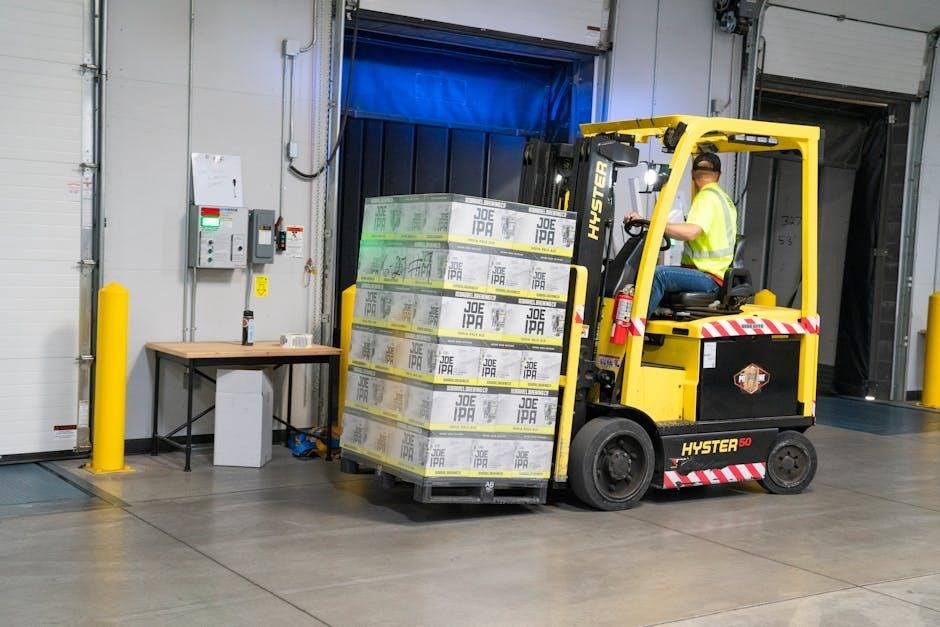
Australia benefits from a national framework for recognising forklift licences, promoting workforce mobility across state and territory borders. This means a forklift licence issued in one jurisdiction is generally accepted in all others, simplifying operations for businesses with national footprints and operators who travel for work.
However, it’s crucial to understand the nuances. While broad recognition exists, some states may have specific requirements or conditions. For instance, a licence issued under older regulations might require an upgrade to meet current standards in another state.
The national harmonisation is facilitated by consistent training standards and assessment criteria. Operators moving between states should verify the acceptance of their licence with the relevant Work Health and Safety authority in the destination jurisdiction. This ensures compliance and avoids potential legal issues. Understanding these regulations is vital for seamless operation and maintaining a safe working environment nationwide.
Resources for Continued Learning and Safety
Maintaining forklift safety extends beyond initial licensing; continuous learning is paramount. Numerous resources are available to enhance operator knowledge and promote best practices. Safe Work Australia provides comprehensive guidance on workplace health and safety, including detailed codes of practice for forklift operation.
Registered Training Organisations (RTOs) often offer refresher courses and advanced training modules, covering topics like load stability, hazard identification, and emergency procedures; Online platforms and industry associations also provide valuable learning materials, webinars, and safety alerts.
Regularly reviewing safety data sheets (SDS) for materials handled, participating in toolbox talks, and staying updated on legislative changes are crucial. Prioritising ongoing education fosters a safety-conscious culture, reducing the risk of accidents and ensuring a compliant and productive work environment. Remember, safety is a continuous journey, not a destination.