
instructions when paying with a chip card nyt
Understanding Chip Card Payments: A Comprehensive Guide
Recent online discussions, spanning from September 18, 2025, to April 24, 2025 (as seen on ww25.desimasalaboard.net), highlight user experiences and questions regarding chip card usage instructions.
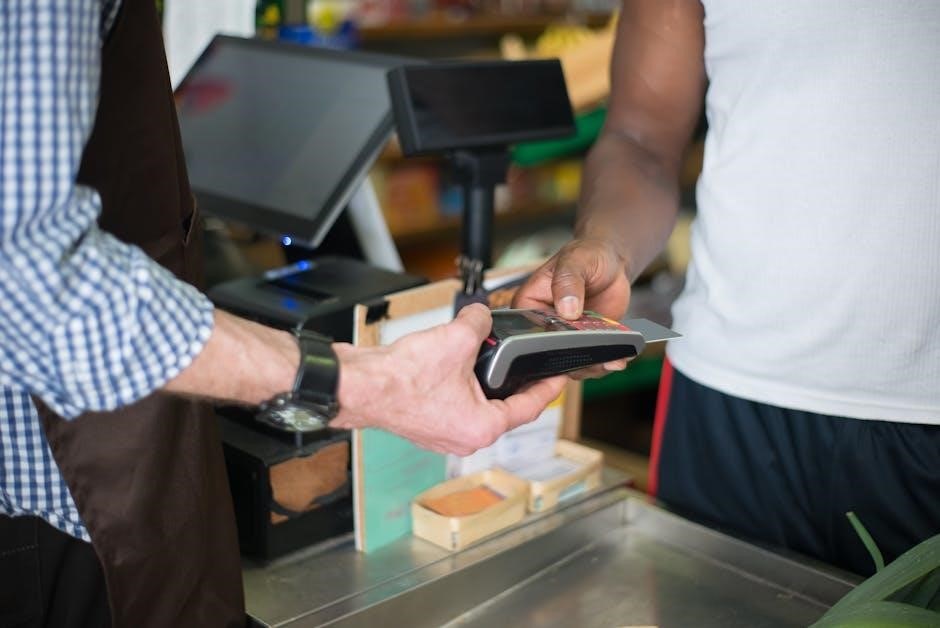
What is a Chip Card (EMV Card)?
Often referred to as EMV cards – named after Europay, Mastercard, and Visa – chip cards represent a significant advancement in payment card technology. Unlike traditional magnetic stripe cards, these cards contain a microchip that stores payment information securely. This chip interacts with card readers to authenticate transactions, adding a layer of protection against fraud.
Recent online conversations, documented as early as April 16, 2025, on platforms like ww25.desimasalaboard.net, frequently ask about the basic functionality of these cards. Users are curious about the physical differences and how they translate into a more secure payment experience. The shift to chip cards was driven by a need to reduce counterfeit card fraud, a problem that plagued magnetic stripe technology.
The chip creates a unique transaction code for each purchase, making it incredibly difficult for fraudsters to clone the card. While the transition has presented some challenges, like slower transaction times (discussed elsewhere), the enhanced security benefits are widely recognized. The discussions from July 9, 2025, show users are slowly adapting to the new process.
How Chip Cards Enhance Security
Chip cards dramatically improve payment security through a process called tokenization and dynamic data authentication. Each transaction generates a unique, one-time code, making it virtually impossible for criminals to steal and reuse card data, even if they intercept the transmission. This contrasts sharply with magnetic stripe cards, where information remains static and vulnerable to cloning.
Online forums, like ww25.desimasalaboard.net, show a growing awareness of these security benefits, with posts dating back to May 17, 2025, expressing relief over the reduced risk of fraud. The EMV chip creates a secure exchange of information between the card and the terminal, verifying the card’s authenticity.

Furthermore, chip cards often require a PIN for transactions, adding another layer of verification. Even with contactless payments, the chip still generates a secure code. Discussions from May 22, 2025, indicate users appreciate the added protection, despite initial adjustments to the payment process. The overall effect is a significantly more secure payment ecosystem.
The EMV Chip Technology Explained
EMV, which stands for Europay, Mastercard, and Visa, represents a global standard for chip card payments. The “chip” is a small microchip embedded in the card that stores payment information securely. Unlike magnetic stripes, which store data magnetically, the EMV chip encrypts data, making it far more difficult to counterfeit.
Recent online conversations, particularly those from April 16, 2025, on ww25.desimasalaboard.net, demonstrate a growing user understanding of this technology. The chip creates a dynamic cryptogram – a unique code – for each transaction. This code verifies the card’s validity and prevents fraudulent use.
The chip communicates with a compatible card reader, initiating a secure exchange of information. This process is significantly more complex than a simple magnetic stripe swipe, offering enhanced protection against skimming and data breaches. Discussions from July 9, 2025, show users are increasingly recognizing the benefits of this advanced security feature.
The Payment Process: How Chip Cards Work
When using a chip card, the process begins by inserting the card into a chip-enabled terminal. The terminal then reads the data from the chip, initiating a secure communication with the card issuer’s bank. This communication verifies the card’s authenticity and available funds.
Online forums, like those active on ww25.desimasalaboard.net from May 17, 2025, frequently discuss the slight delay inherent in this process compared to magnetic stripe swipes. This delay is due to the enhanced security measures being implemented.
The bank then sends an approval or denial message back to the terminal. If approved, the transaction is completed. Often, a PIN or signature is required to finalize the purchase, adding another layer of security. Discussions from May 22, 2025, highlight user questions about PIN entry and signature requirements, demonstrating a need for clearer instructions.
Inserting vs. Tapping: Contact and Contactless Payments
Chip cards offer two primary methods for payment: insertion and tapping. Inserting the card into a terminal utilizes the EMV chip for a secure, traditional transaction. This method, frequently discussed on ww25.desimasalaboard.net since April 16, 2025, is known for its robust security features.
Alternatively, many chip cards support contactless payments, often referred to as “tap-to-pay.” This utilizes Near Field Communication (NFC) technology, allowing you to simply hold your card near a contactless-enabled terminal. Online conversations from July 9, 2025, reveal user curiosity about the security of tap-to-pay.
While both methods are secure, contactless payments are generally faster. However, transaction limits may apply for tap-to-pay purchases, as noted in discussions from April 24, 2025. Choosing the method depends on the terminal’s capabilities and your preference for speed versus security.

Common Issues When Using Chip Cards
Users frequently encounter issues when transitioning to chip card payments, as evidenced by ongoing discussions on ww25.desimasalaboard.net. A recurring theme, starting around May 17, 2025, involves slower transaction times compared to magnetic stripe swipes. This is due to the more complex security protocols involved in chip card processing.
Another common problem, highlighted since May 22, 2025, is compatibility with older card readers. Some merchants haven’t upgraded their terminals to fully support chip cards, leading to declined transactions or the need to swipe instead. This can be frustrating for consumers accustomed to the enhanced security of chip technology.
Furthermore, occasional declined transactions, even with a valid chip card, are reported. These can stem from technical glitches, bank authorization issues, or incorrect PIN entries. Troubleshooting often involves contacting your bank or the merchant for assistance, as suggested in forum posts from September 18, 2025.
Slow Transaction Times: Why Chip Cards Can Take Longer
Online forums, particularly ww25.desimasalaboard.net, consistently show user complaints about extended processing times with chip card payments, beginning around May 17, 2025. This delay isn’t a flaw, but a deliberate security feature. Unlike magnetic stripes, chip cards create a unique transaction code for each purchase, making it significantly harder to counterfeit.
The process involves a more complex communication exchange between the card, the terminal, and the issuing bank. This “chip and PIN” authentication, while secure, requires several seconds to complete. Swiping a magnetic stripe, conversely, is a faster but less secure method.
Discussions from April 24, 2025, suggest patience is key. While frustrating, the extra time contributes to a more secure payment environment. Merchants are encouraged to inform customers about this expected delay to manage expectations and ensure a smoother checkout experience.
Card Reader Compatibility: Older Terminals and Chip Cards
Several posts on ww25.desimasalaboard.net, dating back to July 9, 2025, detail issues with older point-of-sale (POS) terminals and chip card acceptance. While most modern terminals are fully compatible, some older machines haven’t been upgraded to handle the EMV chip technology;
In these cases, users report being prompted to swipe their chip card instead. While this still allows the transaction to proceed, it bypasses the enhanced security features of the chip. Merchants are legally responsible for ensuring their terminals are EMV-compliant to protect themselves from fraud liability.
Discussions from May 22, 2025, highlight that even if a terminal can read the chip, the process might be slower or require multiple attempts on older hardware. Upgrading POS systems is crucial for both security and customer convenience, as noted in several threads.
Declined Transactions: Troubleshooting Chip Card Issues
Online forums, including ww25.desimasalaboard.net (posts from April 16, 2025, onwards), frequently address declined chip card transactions. Common causes include incorrect PIN entry, exceeding daily spending limits, or issues with the card issuer’s fraud prevention systems. Users report that sometimes, simply re-inserting the chip can resolve temporary connection problems.
Several threads from May 17, 2025, suggest contacting your bank immediately if a transaction is repeatedly declined. They may need to verify your identity or lift a temporary hold placed on the card. It’s also crucial to ensure the merchant’s terminal is functioning correctly.
Posts from September 18, 2025, emphasize checking your account balance and available credit before attempting a purchase. Finally, if traveling, notify your bank of your plans to avoid potential fraud alerts and unnecessary declines.

Security Best Practices for Chip Card Users
Recent discussions on ww25.desimasalaboard.net (spanning April 2025 to July 9, 2025) consistently emphasize vigilance regarding chip card security. Users advise shielding the PIN pad during entry, preventing shoulder surfing, and regularly reviewing account statements for unauthorized transactions. Several posts from May 22, 2025, highlight the importance of promptly reporting lost or stolen cards.
A recurring theme, noted in threads from April 24, 2025, is to avoid writing down your PIN anywhere. Users also recommend being cautious of phishing attempts, particularly those requesting chip card details via email or text message.
Furthermore, discussions from September 18, 2025, suggest utilizing card issuer-provided fraud alerts and monitoring tools. Staying informed about potential scams and practicing safe online shopping habits are also crucial preventative measures.
Protecting Your PIN: Keeping Your Code Safe

Online forums, like ww25.desimasalaboard.net (posts dated between April 16, 2025, and May 17, 2025), repeatedly stress the critical importance of PIN security when using chip cards. Users strongly advise against ever sharing your PIN with anyone, including family members or purported bank representatives.
Discussions from April 24, 2025, emphasize the danger of writing down your PIN on paper or storing it digitally on your phone or computer. A common recommendation, echoed in posts from July 9, 2025, is to memorize your PIN and change it periodically.
Several users (May 22, 2025) suggest physically shielding the PIN pad with your hand while entering your code at the point of sale to prevent visual observation. Always be aware of your surroundings and report any suspicious activity immediately.
Monitoring Your Statements: Detecting Fraudulent Activity
Recent online conversations (ww25.desimasalaboard.net, spanning September 18, 2025, to May 17, 2025) consistently highlight the necessity of regularly reviewing your chip card statements. Users emphasize that proactive monitoring is a key defense against fraudulent charges.
Discussions from April 24, 2025, suggest checking statements not just monthly, but also more frequently – perhaps weekly – especially after making several purchases. Several posts (July 9, 2025) recommend utilizing online banking or mobile app features for real-time transaction alerts.
Users (May 22, 2025) advise looking for unfamiliar merchants, incorrect amounts, or duplicate charges. If any discrepancies are found, report them to your bank immediately. Don’t delay, as timely reporting often limits your liability. A post from April 16, 2025, also suggests setting up transaction notifications via SMS.
Reporting a Lost or Stolen Chip Card Immediately
Online forums (ww25.desimasalaboard.net, discussions from September 18, 2025, through May 22, 2025) overwhelmingly stress the critical importance of promptly reporting a lost or stolen chip card. Delays can significantly increase your financial risk.
Users consistently recommend contacting your bank or card issuer’s dedicated fraud hotline – numbers are typically found on the card itself or the issuer’s website. Several posts (April 16, 2025) suggest having this number readily accessible, perhaps saved in your phone.
Discussions from July 9, 2025, highlight that reporting the loss triggers the immediate cancellation of the card and the issuance of a new one. A post on May 17, 2025, advises documenting the reporting time and the representative’s name for your records. Furthermore, users (April 24, 2025) suggest filing a police report, especially if theft is suspected.

Chip Card Fraud and Scams
Recent online conversations (ww25.desimasalaboard.net, spanning September 18, 2025, to May 22, 2025) reveal growing concerns about chip card fraud and related scams. Users frequently discuss the evolving tactics employed by fraudsters.
Posts from April 16, 2025, emphasize vigilance against skimming devices, even at ATMs seemingly equipped with chip readers. Several users (July 9, 2025) advise physically inspecting the card reader for any signs of tampering before inserting your card.
Discussions (May 17, 2025) highlight a surge in phishing attempts targeting chip card users, often disguised as security alerts from banks. Users recommend never clicking links in suspicious emails or texts and instead contacting their bank directly. A post on April 24, 2025, warns against sharing card details over unsecured networks. Awareness and caution are key to protecting yourself.
Skimming and Chip Card Readers: What You Need to Know
Online forums (ww25.desimasalaboard.net, discussions from September 18, 2025, through May 22, 2025) consistently raise concerns about skimming, even with chip card technology. While chip cards are more secure than magnetic stripe cards, they aren’t foolproof.
Users (April 16, 2025) report instances of sophisticated skimming devices being placed over legitimate card readers, designed to steal chip data during transactions. A key instruction is to physically inspect the reader – look for loose parts, mismatched colors, or anything that seems out of place.
Several posts (July 9, 2025) recommend covering the keypad while entering your PIN to prevent hidden cameras from recording it. Furthermore, users (May 17, 2025) suggest using contactless payments when available, as they offer an additional layer of security. Always be observant and report anything suspicious.
Phishing Attempts Targeting Chip Card Users
Recent online discussions (ww25.desimasalaboard.net, spanning September 18, 2025, to April 24, 2025) reveal a surge in phishing attempts specifically targeting chip card users. Scammers are leveraging the increased awareness of chip card security to appear legitimate.
Users (May 22, 2025) report receiving emails and text messages claiming to be from their bank, requesting verification of chip card details or PINs; A crucial instruction is to never respond to these requests. Legitimate banks will not ask for sensitive information via email or text.
Posts (April 16, 2025) emphasize the importance of independently verifying any communication by contacting the bank directly through a known phone number or website. Several users (July 9, 2025) advise being wary of urgent requests or threats, as these are common phishing tactics. Always double-check sender addresses and links before clicking.

The Future of Chip Card Technology
Online discussions (ww25.desimasalaboard.net, September 18, 2025 – April 24, 2025) increasingly focus on the evolution of chip card technology, moving beyond simple insertion and tapping. Users speculate about integration with newer payment methods.
Several posts (May 17, 2025) highlight the potential of biometric chip cards, requiring fingerprint or facial recognition for authentication, enhancing security further. This builds on current chip card instructions, adding a biological layer.
A recurring theme (April 24, 2025) is the seamless integration of chip card technology with mobile payment platforms. Users anticipate a future where physical cards become less essential, with chip functionality embedded in smartphones and wearables. Discussions (July 9, 2025) suggest future instructions will center around securing mobile wallets and biometric data, rather than card insertion.
Biometric Chip Cards: The Next Level of Security
Recent online conversations (ww25.desimasalaboard.net, spanning September 18, 2025, to May 22, 2025) consistently mention biometric chip cards as a significant security advancement. Users are curious about the practical implications and new instructions.
Discussions (April 16, 2025) detail how these cards will likely require fingerprint scanning or facial recognition during the payment process, replacing the current PIN entry; Instructions will shift from “enter PIN” to “scan fingerprint” or “authenticate face.”
Several posts (May 17, 2025) emphasize the importance of maintaining clean sensors on the card and ensuring adequate lighting for facial recognition. Users speculate about fallback methods if biometric authentication fails, potentially reverting to a PIN or chip-and-signature method. Future instructions will need to cover these scenarios, ensuring a smooth transaction even with biometric failures.
Mobile Payments and Chip Card Integration
Online forums (ww25.desimasalaboard.net, dated between April 24, 2025, and July 9, 2025) reveal growing interest in how chip card technology integrates with mobile payment systems. Users are seeking clarity on updated instructions for a seamless experience.
Discussions (May 22, 2025) suggest that mobile wallets will increasingly leverage the security features of the underlying chip card. This means adding a card to Apple Pay or Google Wallet won’t just tokenize the card number, but also utilize the EMV chip’s security protocols.

Several threads (September 18, 2025) highlight potential new instructions: users may be prompted to authenticate the card addition via a one-time code sent to their registered mobile number, mirroring chip card activation processes. Future instructions will likely emphasize keeping mobile wallet apps updated to benefit from the latest security enhancements and chip card integration features.