army aircrew training manual
Army aircrew training manuals are vital resources, developed to ensure aviation commanders can build a comprehensive Aviation Training Program (ATP).
These manuals, alongside Army Regulations (ARs) and other Training Circulars (TCs), guarantee individual and aircrew proficiency aligns with unit missions.
Standardization officers and evaluators utilize these resources to routinely employ standard techniques and procedures, enhancing overall operational readiness and safety.
Historical Context of Aircrew Training
Historically, army aircrew training evolved significantly alongside advancements in aviation technology and tactical doctrine. Early flight instruction focused on basic piloting skills, gradually expanding to encompass crew coordination and mission-specific procedures.
The need for standardized training became apparent during major conflicts, prompting the development of formal training programs and, eventually, comprehensive aircrew training manuals (ATMs). These manuals emerged as crucial tools for disseminating best practices and ensuring consistent levels of proficiency across the force.
Over time, ATMs have adapted to incorporate lessons learned from operational experience, evolving to address new threats and technologies. The current emphasis on Aircrew Resource Management (CRM) reflects a growing recognition of the importance of human factors in aviation safety and mission success.
Today’s manuals build upon decades of experience, providing a structured framework for developing highly skilled and adaptable aircrews.
Purpose and Scope of Army Aircrew Training Manuals
The primary purpose of Army Aircrew Training Manuals (ATMs) is to establish standardized training requirements for aircrew members operating specific aircraft platforms. These manuals serve as a foundational resource for aviation commanders, enabling the development of comprehensive Aviation Training Programs (ATPs).
The scope of an ATM encompasses all aspects of aircrew training, from individual proficiency in core skills to collective tasks performed as a crew. They detail tasks, procedures, and performance standards necessary for safe and effective flight operations;
ATMs are designed to be used in conjunction with relevant Army Regulations (ARs) and other Training Circulars (TCs), creating a holistic training framework. They cover areas like emergency procedures, mission planning, and tactical employment, ensuring aircrews are prepared for a wide range of operational scenarios;
Core Components of Aircrew Training
Essential elements include individual crewmember proficiency, robust Aircrew Resource Management (CRM), and consistent standardization alongside thorough evaluation processes for optimal performance.
Individual Crewmember Proficiency
Achieving individual crewmember proficiency is paramount, demanding a focused approach to skill development and knowledge acquisition. Army aircrew training manuals, like TC 3-04.52 and TC 1-211, outline specific tasks and procedures necessary for each role within the aircrew.
This encompasses not only technical expertise related to the aircraft – such as systems operation and emergency procedures – but also a deep understanding of tactical employment and mission-specific requirements.
Commanders leverage these manuals to ensure each crewmember is capable of performing their duties independently and contributing effectively to the overall mission success.
Continuous evaluation and refinement of individual skills are crucial, fostering a culture of professional development and sustained competence.
Aircrew Resource Management (CRM)
Aircrew Resource Management (CRM) is a critical component integrated within Army aircrew training manuals, emphasizing effective communication, decision-making, and teamwork. These manuals highlight the importance of utilizing all available resources – including personnel, equipment, and information – to enhance safety and mission effectiveness.
CRM training focuses on mitigating risks associated with human factors, such as fatigue, stress, and complacency. It promotes a proactive safety culture where crewmembers are encouraged to challenge assumptions and speak up about concerns.
By fostering open communication and mutual respect, CRM empowers aircrews to make informed decisions and respond effectively to dynamic situations, ultimately reducing the likelihood of errors and improving overall operational performance.
Standardization and Evaluation
Standardization and Evaluation are cornerstones of Army aircrew training, as detailed within the training manuals. These processes ensure consistent performance and proficiency across all aircrews, adhering to established standards and procedures. Manuals emphasize the role of standardization officers and evaluators in monitoring training progress and identifying areas for improvement.
Regular evaluations, encompassing both academic knowledge and practical skills, are conducted to assess crewmember competency. These evaluations utilize checklists and performance-based assessments to objectively measure proficiency.
The goal is to maintain a high level of readiness and ensure that aircrews routinely employ standard techniques, contributing to mission success and enhanced safety throughout all aviation operations.
Specific Aircraft Training Manuals
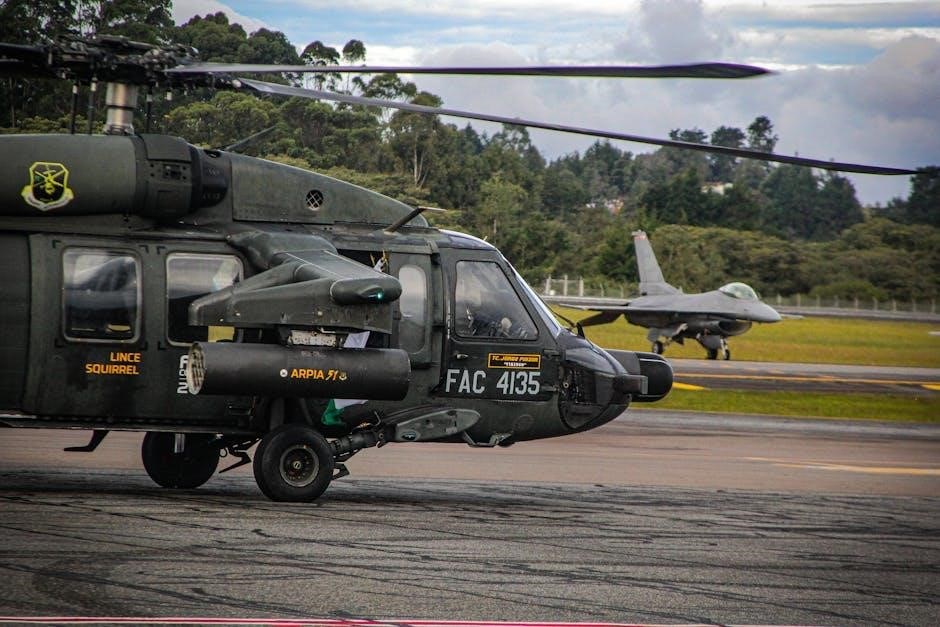
Specific aircraft training manuals, like TC 3-04.52 for reconnaissance airplanes, TC 1-211 for UH-1H/V helicopters, and TC 3-04.33 (H-60 ATM), detail unique requirements.
TC 3-04.52: Reconnaissance Airplane Training
TC 3-04.52, also known as TC 1-219, serves as the Aircrew Training Manual specifically for reconnaissance airplane operations. This manual is designed to be utilized in conjunction with applicable Army Regulations (ARs) and TC 3-04.11, providing a robust framework for aviation commanders at all echelons.
The primary objective of this manual is to facilitate the development of a comprehensive Aviation Training Program (ATP). By leveraging the guidance within TC 3-04.52, commanders can effectively ensure that both individual crewmember skills and overall aircrew proficiency are consistently aligned with the specific demands of their unit’s mission.
Furthermore, the manual emphasizes the importance of routinely employing standardized techniques and procedures, fostering a culture of operational excellence and safety within reconnaissance aviation units. Standardization officers, evaluators, and unit trainers will find this resource invaluable in maintaining a high level of readiness.
TC 1-211: UH-1H/V Series Utility Helicopter Training
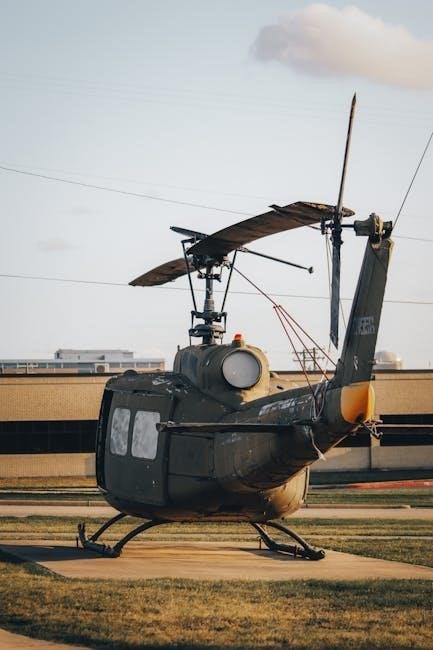
TC 1-211 functions as the Aircrew Training Manual dedicated to the UH-1H/V series utility helicopter. Published in May 2007, this document details specific training requirements for all UH-1H/V crewmembers, enhancing their capabilities and operational effectiveness.
This manual is intended for integrated use with AR 95-1, AR 600-105, AR 600-106, NGR 95-210, TC 1-210, and other relevant publications, creating a holistic training approach. It’s designed to elevate training standards and ensure crewmembers possess the necessary skills to perform their duties safely and efficiently.
Notably, TC 1-211 has undergone a review process to address operations security considerations, safeguarding sensitive information. The tasks outlined within this ATM directly contribute to improved training outcomes and mission readiness for UH-1H/V helicopter units.
TC 3-04.33 (H-60 ATM): Utility Helicopter Training
TC 3-04.33, also known as the H-60 Aircrew Training Manual (ATM), serves as a crucial resource for training personnel operating the utility helicopter. Available through platforms like the Internet Archive, this manual provides detailed guidance for effective crew training programs.
Digitized on March 1, 2021, the document boasts high page number confidence (100%) and a resolution of 300 PPI, ensuring clarity and usability. It’s a comprehensive guide designed to standardize training procedures and enhance crew proficiency in all aspects of H-60 helicopter operations.
This ATM is instrumental in developing skilled and capable aircrews, contributing directly to mission success and safety. Its accessibility through online archives facilitates widespread adoption and continuous improvement of training methodologies within the Army Aviation community.
Developing a Comprehensive Aviation Training Program (ATP)
ATP development utilizes aircrew training manuals alongside ARs and TCs, ensuring aviation commanders build programs for proficient, mission-ready aircrews.
ATP Development Process
The ATP development process is a systematic approach, beginning with a thorough needs assessment to identify training gaps within the unit’s mission requirements. Aviation commanders leverage aircrew training manuals – like TC 3-04.52 and TC 1-211 – as foundational elements, integrating them with applicable Army Regulations (ARs) and other relevant Training Circulars (TCs).
This integration ensures a cohesive and standardized training curriculum. The process involves defining specific training objectives, outlining required tasks, and establishing evaluation criteria. Standardization officers and unit trainers play a crucial role in developing and implementing the ATP, ensuring it remains current and effective. Regular reviews and updates are essential to adapt to evolving operational environments and maintain aircrew proficiency commensurate with unit missions.
Integrating Manuals with ARs and TCs
Effective integration of aircrew training manuals with Army Regulations (ARs) and Training Circulars (TCs) is paramount for a robust aviation training program. Manuals like TC 3-04.52, focusing on reconnaissance airplanes, and TC 1-211, covering UH-1H/V series helicopters, don’t operate in isolation. They are designed to complement existing regulatory frameworks, such as AR 95-1 and AR 600-105.
This synergy ensures compliance while providing detailed, task-specific guidance. Commanders utilize manuals to translate broad AR directives into actionable training scenarios. TCs offer supplementary procedures and techniques, enriching the learning experience. This holistic approach guarantees that aircrew proficiency is not only technically sound but also adheres to established Army standards, fostering safe and effective operations.
Operational Security Considerations
Aircrew training manuals undergo thorough review for operations security, ensuring sensitive information is protected and doesn’t compromise missions or personnel safety.
Review for Operations Security
Army Aircrew Training Manuals are meticulously examined for potential operational security vulnerabilities before release and during updates. This crucial review process aims to identify and mitigate any information that could be exploited by adversaries, potentially compromising missions, personnel, or equipment.
The review encompasses a broad spectrum of concerns, including the inadvertent disclosure of tactics, techniques, and procedures (TTPs), sensitive operational details, or vulnerabilities within aircraft systems. Manuals are scrutinized to ensure they do not contain information that could aid in electronic warfare, physical attacks, or intelligence gathering.
Furthermore, the review process verifies compliance with established security protocols and regulations, safeguarding classified or controlled unclassified information. This proactive approach minimizes risks and maintains the integrity of Army aviation operations, bolstering overall national security.
ADSC Acknowledgement and Waivers
Army Aircrew Training Manuals often necessitate an Active Duty Service Commitment (ADSC) if the training undertaken is particularly specialized or costly. When an ADSC applies, individuals must formally acknowledge their understanding and acceptance of this commitment by signing Air Force Form 63.
This signed form, dated upon completion, serves as documented proof of the aircrew member’s obligation to serve a specified period following the completion of their training. Unit commanders possess the authority to issue waivers to the ADSC requirement in certain circumstances.
However, any granted waivers must be promptly reported to the appropriate authorities, specifically AFSOC/A3T, ensuring transparency and accountability within the training system. Proper documentation and adherence to these procedures are vital for maintaining personnel management and operational readiness.
Training Requirements and Documentation
Army aircrew training manuals necessitate the completion of AF Form 63, acknowledging the Active Duty Service Commitment, and adherence to Military Record (MR) stipulations.
AF Form 63: Active Duty Service Commitment
Army aircrew training manuals explicitly state that if training incurs an Active Duty Service Commitment (ADSC), as outlined in paragraph 1.5, the individual must acknowledge receipt of this commitment.
This acknowledgement is formally documented by signing AF Form 63, the Active Duty Service Commitment Acknowledgement Statement, and noting the precise date of signature (T-2).
Proper completion and retention of this form are crucial for maintaining accurate personnel records and ensuring compliance with military regulations.
Unit commanders are responsible for verifying that all aircrew members subject to an ADSC have correctly executed and submitted AF Form 63 as part of their training documentation.
This process safeguards both the service member and the Army, clarifying obligations and preventing potential administrative issues.
MR Status and Time Limits
Army aircrew training manuals address Mission Ready (MR) status, particularly for crewmembers transitioning after a Permanent Change of Station (PCS) or completion of formal school.
Unit commanders have the discretion to carry new aircrew members as MR for a limited period – up to six months – even if they aren’t fully proficient in all core competencies.
This allowance acknowledges the time required for complete integration and skill refinement within the unit’s specific operational environment.
However, this temporary MR status is not indefinite; commanders must actively work towards full proficiency.
Maintaining accurate records of training progress and adherence to these time limits is essential for ensuring aircrew readiness and operational effectiveness.
Advanced Training and Mission Readiness
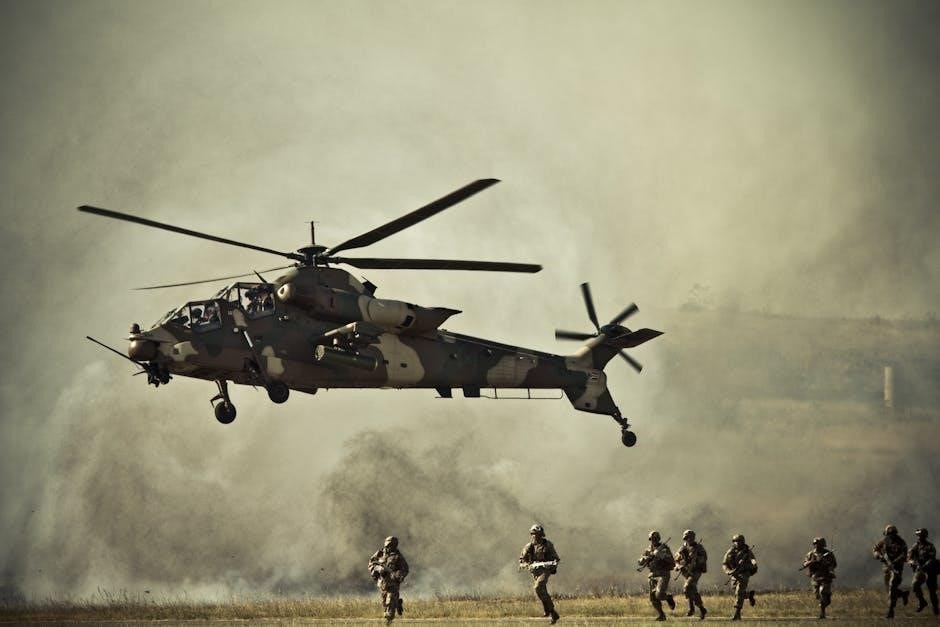
Army aircrew training manuals emphasize the routine employment of standard techniques, ensuring commensurate proficiency with the unit’s specific mission requirements for optimal readiness.
Routine Employment of Standard Techniques
Army aircrew training manuals prioritize the consistent application of established procedures, fostering a culture of predictable and safe operations. This routine employment of standard techniques isn’t merely about adherence to checklists; it’s about building muscle memory and shared situational awareness within the crew.
Through diligent practice guided by these manuals, aircrews develop a common operating picture, enabling quicker, more coordinated responses to dynamic situations. Commanders leverage these manuals to ensure that all crewmembers, regardless of experience level, operate from the same foundational understanding.
This standardization minimizes errors, enhances communication, and ultimately contributes to mission success. The emphasis on routine isn’t restrictive, but rather a framework for adaptability, allowing crews to confidently deviate when necessary, always returning to established norms when feasible.
Commensurate Proficiency with Unit Mission
Army aircrew training manuals are instrumental in aligning crew capabilities directly with the demands of their assigned unit mission. The core principle is that training isn’t a one-size-fits-all endeavor; proficiency must scale with operational requirements.
Commanders utilize these manuals to assess individual and collective skill levels, identifying gaps and tailoring training programs accordingly. This ensures aircrews aren’t just technically proficient, but also prepared for the specific challenges they’ll encounter in real-world scenarios.

The manuals facilitate a dynamic training cycle, constantly adapting to evolving mission parameters and emerging threats. Achieving commensurate proficiency isn’t a destination, but a continuous process of refinement, guaranteeing optimal performance and mission readiness.